|
Show off your work
|
|
| Watsisname | Date: Tuesday, 29.12.2015, 23:00 | Message # 886 |
 Galaxy Architect
Group: Global Moderators
 United States
Messages: 2613
Status: Offline
| Heh, I actually ended up going manual focus for many of these. The auto wasn't very reliable when they were flying, or within a lot of tree limbs. More often than not it would ruin an otherwise amazing shot, and I thought "the heck with this, I can do better." My mindset also makes me less annoyed if I lose a shot because I messed up than if my equipment doesn't do what I want it to.
Buuut, yeah, capturing them in flight with manual focus is hard. I've become fairly adept at it, but still, for every good shot, there are several more that are blurred. For wildlife photography I pretty much go in expecting to get something like a 1:10 ratio of keepers to throwaways. On this outing I took 421 shots, of which 46 turned out really well. (Thank you, digital cameras -- I cannot imagine doing this on film!) 

|
| |
| |
| midtskogen | Date: Thursday, 31.12.2015, 18:38 | Message # 887 |
 Star Engineer
Group: Users
 Norway
Messages: 1674
Status: Offline
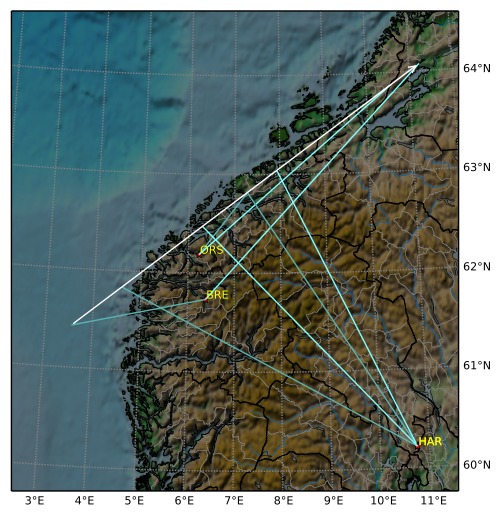
| I've been working on finding the trajectory of a meteor which was likely visible for 1-2 minutes over Norway 27th December. It was an Earth grazer and the data shows that it went back into space!
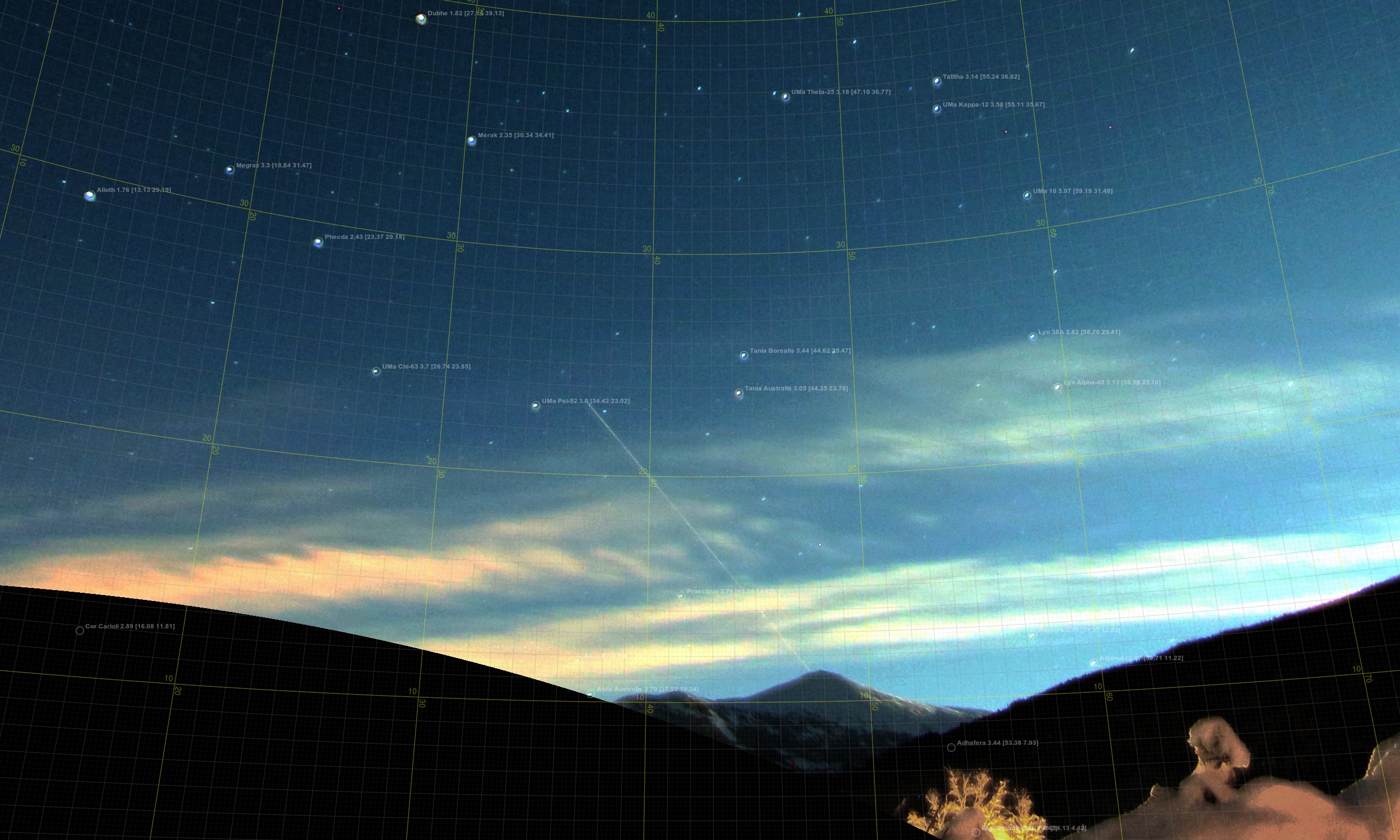
I had data from one of our video cameras and the final clues came from a lucky photographer (Geir Øye) who captured the meteor before it disappeared below the horizon:
Which I calibrated and reprojected:
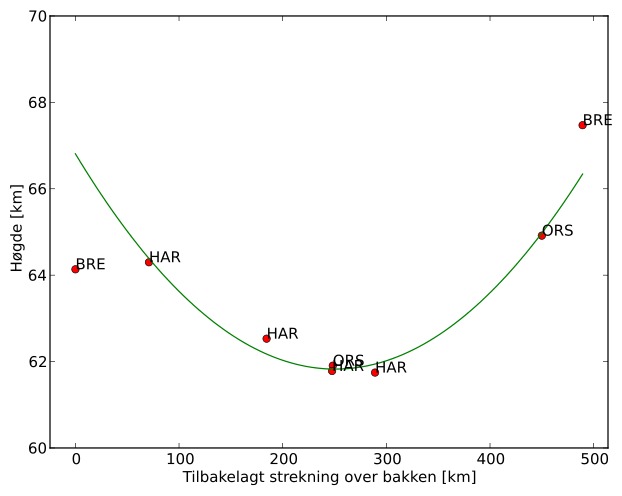
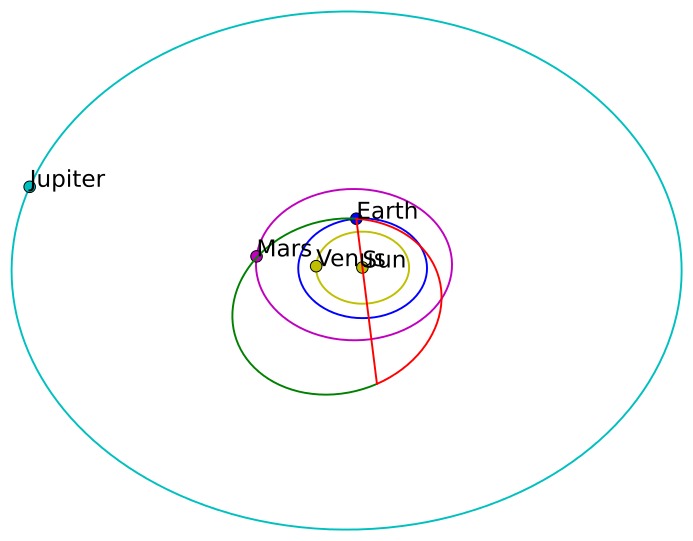
The solution:
A rare meteor! May be the first confirmed Earth grazer in Norway. I got another one on video in 2012, though. It appeared in Skagerrak and went on for two minutes or so across the UK and Ireland. http://norskmeteornettverk.no/bilder/2015/meteor-20120921.mp4
EDIT: The 2012 Earth grazer was a cool bonus. While working on the 27th Dec grazer I became aware of a paper on the 2012 grazer, and I noticed that it should have been visible from my camera. So I checked my video archive, and there it was. I didn't know I had recorded it. I think my video is the longest recording of the event and it pinpoints the entry (a pity that it disappears behind clouds, other I should have been able to follow it almost all the way to the UK). It remains to be seen whether my video confirms or busts the paper. 
NIL DIFFICILE VOLENTI

Edited by midtskogen - Friday, 01.01.2016, 09:55 |
| |
| |
| Destructor1701 | Date: Friday, 01.01.2016, 01:28 | Message # 888 |
|
Pioneer
Group: Users
 Ireland
Messages: 533
Status: Offline
| That's amazing, man!
I'm in Ireland - I vaguely recall there being a hubbub about something crossing the sky in '12. I wish I had seen it.

|
| |
| |
| Watsisname | Date: Friday, 01.01.2016, 04:47 | Message # 889 |
|
Galaxy Architect
Group: Global Moderators
United States
Messages: 2613
Status: Offline
| That's a remarkable meteor. Any idea on the feasibility of calculating the change in its orbit by the flyby? Or does it depend too much on unknowns?
|
| |
| |
| midtskogen | Date: Friday, 01.01.2016, 08:27 | Message # 890 |
|
Star Engineer
Group: Users
Norway
Messages: 1674
Status: Offline
| My 2012 video shows 36 seconds of the path, and I wish I had seen it myself. The 2012 meteor was estimated in the paper to be between 500 - 1000 kg travelling at 12.4 km/s, reaching an altitude of 53 km, then rising to 60 km before dropping again, dropping several kg sized meteorites on its way, and the main body finally splashing down 2847 km away from where it was assumed to be visible first. The magnitude seems to have peaked at about -9. My video should show new insight on the timing, appearance, speed and deceleration.
The meteor this Christmas was fainter (perhaps -5 - -6) and dipped to about 62 km. The software I'm using gives 14.3 km/s as the best estimate, but I suspect it was closer to 13.5 km/s (using intuition to resolve the conflicts in the data instead of the program's view of what a "best fit" is). I think it bounced back into space (but might have dropped some meteorites on its way), and the orbit definitely changed by several degrees. It would be interesting to calculate the possibility that it was captured by Earth and would revisit soon (if it already hasn't), but I think there are many unknowns. Just slight inaccuracies in the estimated speed (< 1 km/s) will have a big impact on the orbit and the timing for a return.
There were many interesting witness reports of the fragmentation. One likened it with the Colombia shuttle breakup.
ADDED: I got some help from Esko Lyytinen and simulations show that fragments between 0.5 - 10 kg (roughly) would get captured and reenter (from 1.5 hours to a few days or even get into a satellite orbit). Any smaller fragments have hit Sweden and Finland. Larger fragments (> 10 kg) should have fully escaped Earth.
NIL DIFFICILE VOLENTI
Edited by midtskogen - Friday, 01.01.2016, 12:33 |
| |
| |
| Vilfate | Date: Friday, 01.01.2016, 17:51 | Message # 891 |
 Astronaut
Group: Users
 China
China
Messages: 49
Status: Offline
| 
The subject of Space Engine,,, in the form of a high school textbook in China.
The subtitle is Observation and Exploration

|
| |
| |
| LookAtDatDakka | Date: Sunday, 03.01.2016, 18:49 | Message # 892 |
 Explorer
Group: Users
United States
Messages: 156
Status: Offline
| Quote Vilfate (  )
The subject of Space Engine,,, in the form of a high school textbook in China.
The subtitle is Observation and Exploration
Can you give us some sample page and translate it?
NVIDIA 960 GTX 2048MB
Edited by LookAtDatDakka - Sunday, 03.01.2016, 18:51 |
| |
| |
| FastFourierTransform | Date: Thursday, 07.01.2016, 11:36 | Message # 893 |
 Pioneer
Group: Local Moderators
 Spain
Spain
Messages: 542
Status: Offline
| I've made a new video!!! This time about a boulder on the Moon.
The other day I discussed whith a conspiracy theorist friend about the Moon. I showed to him that there are not only 4 or 5 photos that NASA has released but hundreds. In fact they have released so much that in the case they want to photoshop/draw them they would need a lot of people doing that. Too much people. He stated that all images where fake (yeah, not only the landings) and that "we have to believe" like indoctrinated people that the far side of the moon look just like NASA says (yeah and then also Roscosmos, ESA and JAXA need to be in the same shit).
Just de LRO mission sends us 1000 images per day (200 MB each) that are publicly avaiable. He refused to admit that this was interesting enought to change his mind about the "lies" of NASA about the moon (even if what I said means that every two minutes NASA draws a gigapixel random image that probably no more than ten guys will ever search on the archive), but I liked the conversation because it inspired me to make this simple video. Why anyone would make such a simple and elegant consistent panorama of the moon with such detail? Here you have a boulder rolled down the hill. Quite poetic for an astrophysics student like me 
Edited by FastFourierTransform - Thursday, 07.01.2016, 11:37 |
| |
| |
| Watsisname | Date: Thursday, 07.01.2016, 11:50 | Message # 894 |
|
Galaxy Architect
Group: Global Moderators
United States
Messages: 2613
Status: Offline
| FastFourierTransform, that's a beautiful video. I'd never known of that boulder, and probably wouldn't have if you didn't share it, so I'm thankful. :)
Pity about the dimness that is conspiracy-theorist thinking though.
|
| |
| |
| midtskogen | Date: Thursday, 07.01.2016, 13:14 | Message # 895 |
|
Star Engineer
Group: Users
Norway
Messages: 1674
Status: Offline
| Interesting to see that rock. And there are many rocks that have rolled, or judging from the image, bounced downhill in that area. I wonder what triggered them to tip over.
NIL DIFFICILE VOLENTI
|
| |
| |
| JackDole | Date: Thursday, 07.01.2016, 13:36 | Message # 896 |
 Star Engineer
Group: Local Moderators
 Germany
Messages: 1742
Status: Offline
| And when. These tracks could be thousands of years old.
Don't forget to look here.

|
| |
| |
| midtskogen | Date: Thursday, 07.01.2016, 14:53 | Message # 897 |
|
Star Engineer
Group: Users
Norway
Messages: 1674
Status: Offline
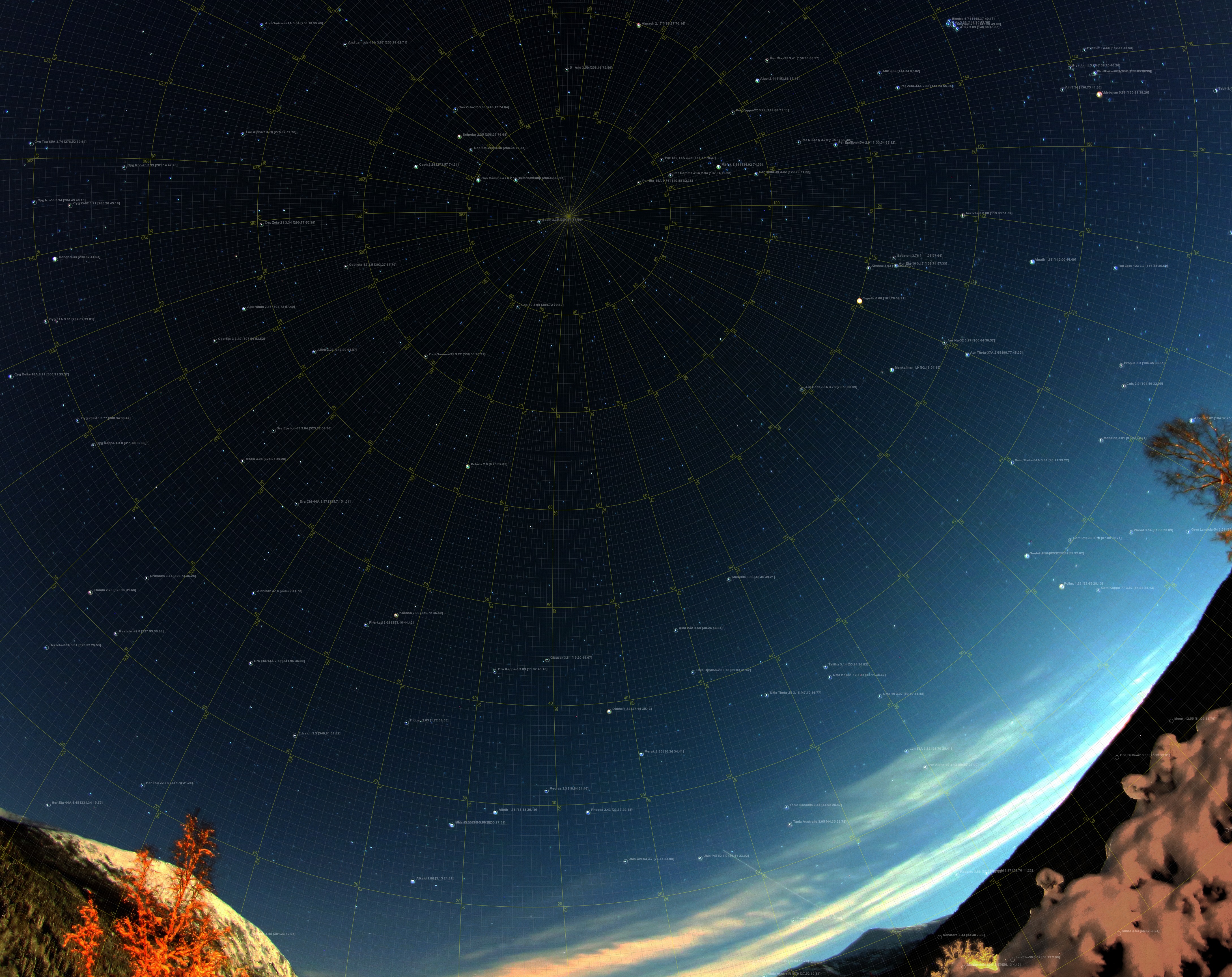
| A nice 360 degree view right now from our meteor station in Harestua, 30km north of Oslo. And a chance to test the equipment in cold weather. Big image, zoom in to get details.
NIL DIFFICILE VOLENTI
|
| |
| |
| FastFourierTransform | Date: Thursday, 07.01.2016, 21:18 | Message # 898 |
|
Pioneer
Group: Local Moderators
Spain
Messages: 542
Status: Offline
| Quote Watsisname ( ) I'd never known of that boulder, and probably wouldn't have if you didn't share it, so I'm thankful. :)
I aprreciate that thanks. Very elegant
Quote midtskogen ( ) And there are many rocks that have rolled, or judging from the image, bounced downhill in that area. I wonder what triggered them to tip over.
Yes, that's insteresting. Considering the fact that there are not atmospheric erosive processes (as to cut a block and make one part roll down), no eruptions and no tectonics I can only imagine some kind of quake due to an impact in the area.
The image I used is this
http://wms.lroc.asu.edu/lroc....89691LE
You can see the boulder in the upper-central part of the strip (rotated 180 degrees with respect to the youtube video).
As you can see, the track of the boulder starts in a boulder field and ends, logically, at the boulder itself. There are other rolled boulders in this image (this is the bigger one) but two of them have have tracks that start at some part of the track of the big boulder. I think that those smaller boulders where kicked by the bigger one when it was falling and made their own trayectory like a small avalanche.
Quote JackDole ( ) And when. These tracks could be thousands of years old.
Thats also something that troubbles me. You can clearly see at the near the end of the boulde track an impact crater more or less as big as the boulder itself. This impact have been made after the boulder rolled. There are also tiny craters of 2 and 3 meters superimpossed over the track (just a few, three or four I can count), this means that the boulder rolled quite a long time ago. You can also use the craters that overlap the track of the smaller boulder (send to the upper part of the strip) because both have occured probably at the same time in history due to the fact that the smaller boulder was probably kicked by the bigger one. You can also see the overlapping of small craters.
I don't know precisely how old this event was but probably it was so long ago that we can talk of geologic timescales (at least millions of years). Some boulder tracks have been dated like that thanks to the MoonZoo project.
You can also see some boulders bouncing making discontinuos tracks (lunar weaker gravity explains that maybe).
|
| |
| |
| midtskogen | Date: Thursday, 07.01.2016, 21:44 | Message # 899 |
|
Star Engineer
Group: Users
Norway
Messages: 1674
Status: Offline
| Quote FastFourierTransform ( ) I can only imagine some kind of quake due to an impact in the area.
That was my first thought, too. But, there are great temperature changes on the Moon - 2-300 degrees C difference over a month. And if that causes only a few grains of lunar dust to move slightly every time, that would accumulate into large changes of the lunar soil if the cycle is repeated a million times. If you made a timelapse video that compresses 100.000 years into a minute, I could easily imagine the surface as something appearing very volatile even if we could exclude new dust due to impacts.
NIL DIFFICILE VOLENTI
|
| |
| |
| Antza2 | Date: Sunday, 10.01.2016, 20:09 | Message # 900 |
 World Builder
Group: Global Moderators
 Finland
Messages: 1049
Status: Offline
| Winter is finally here.
Go to antza2.deviantart.com for cool photos!
|
| |
| |
 ENG
ENG New site


 United States


 Norway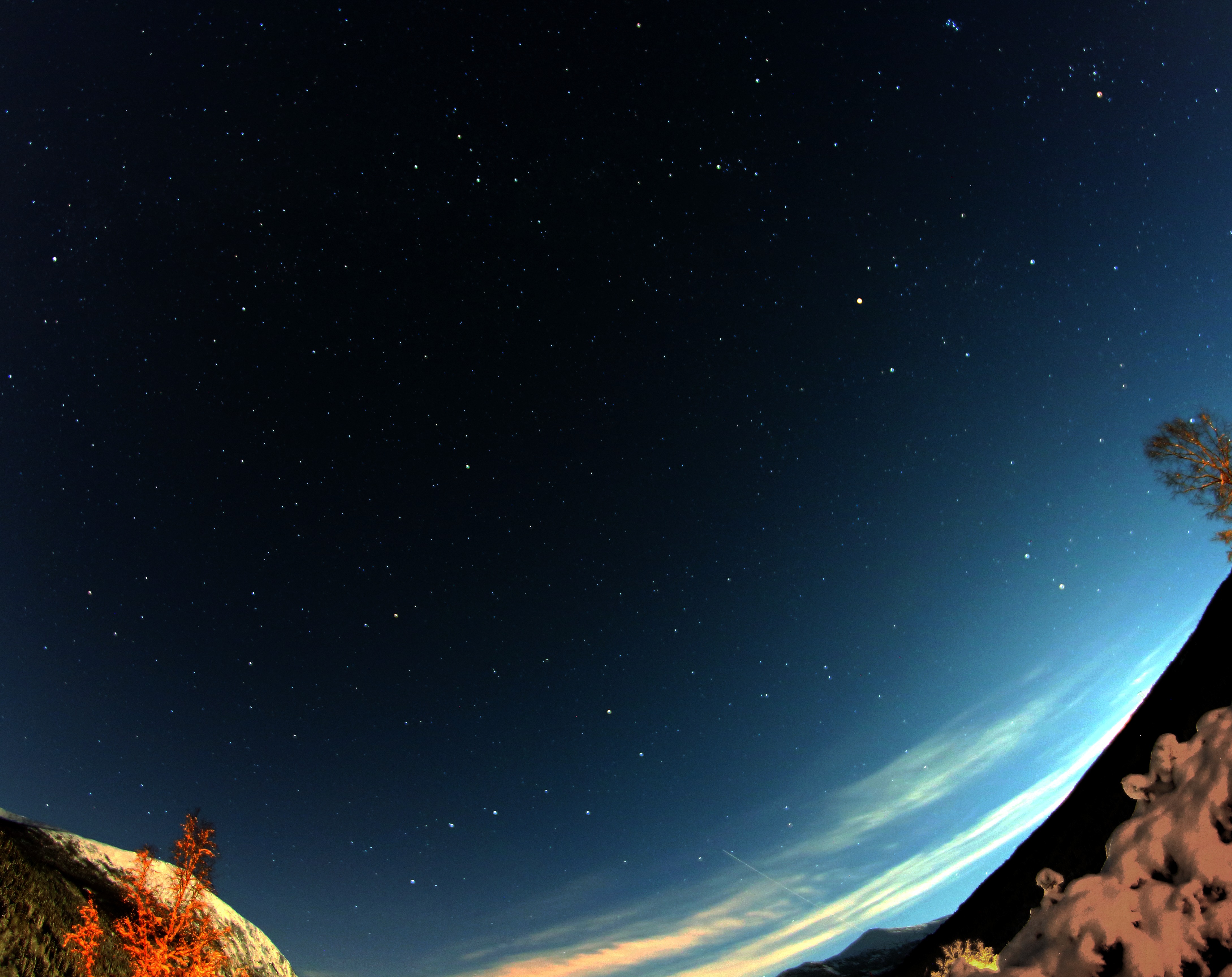
 Ireland
  China
China 


 Spain
Spain  Germany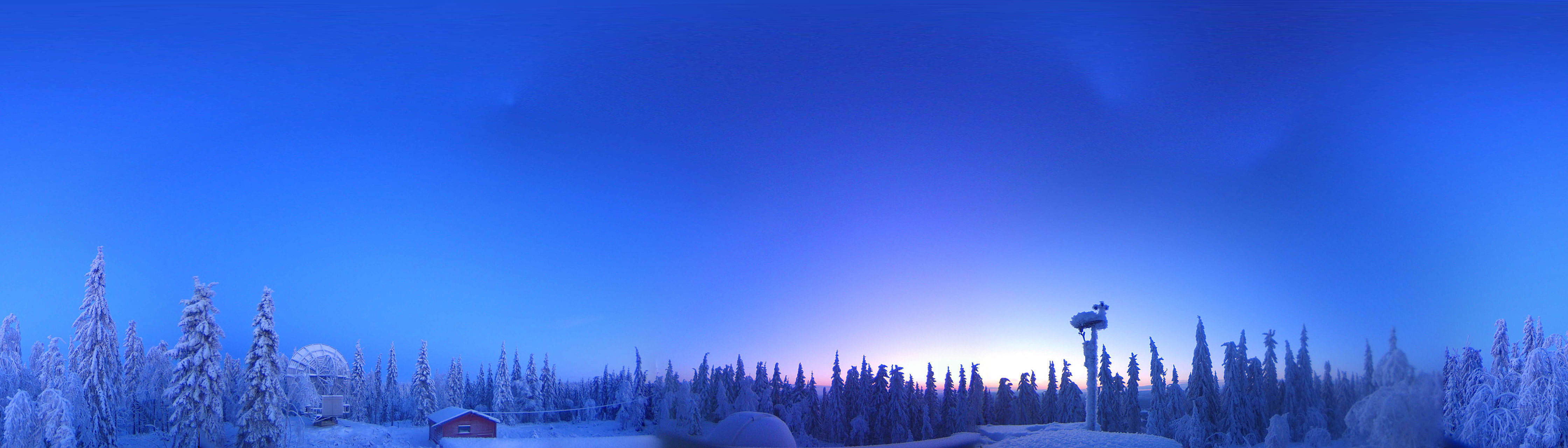
 Finland


