Mountains are beautiful but dangerous. I'll climb on snow with my regular hiking boots (and I take an ice axe if it's steep, and I know how to use it), but the glacial ice requires crampons and a unique set of safety skills. Because the very last thing you want is to slip on a glacier and fall into a crevasse like that. If you're not roped up with other climbers who can pull you out, you will die.
So, until I'm a stronger climber and part of a team, I stay off that ice.
If you're not roped up with other climbers who can pull you out, you will die.
You mean, if you're all by yourself, nobody knows where you are, you have no cell signal or no emergency beacon, yes, you'll be running out of options. Falling in is quite survivable. Getting out by yourself is a greater problem.
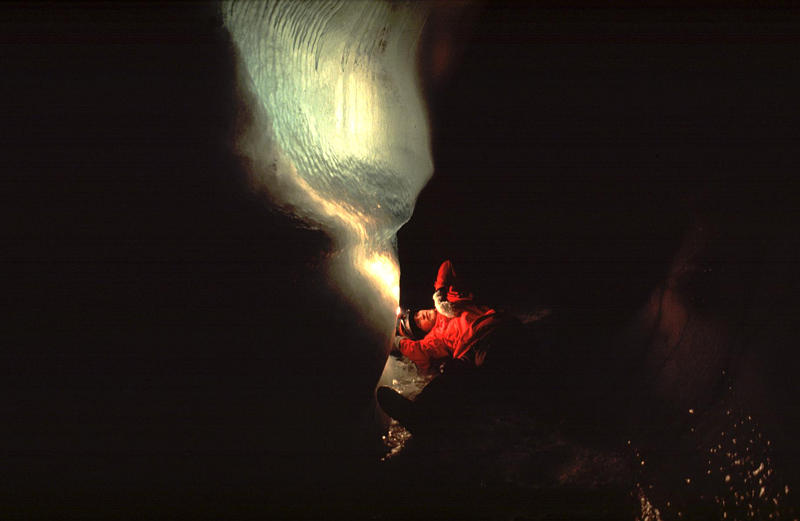
The preferred way to see the inside of glaciers is through melt caves running through smaller glaciers not moving during the winter. These can run a long way beneath the glacier and there are new cave systems to explore every year.
The two pictures below aren't great quality. I shot them in '98 and '99.
If you have the time the documentary is also on youtube.
Just watched it. Thank you. This is the most amazing mountaineering and survival story I've ever seen. Very moving, and the cinematography is brilliant. I'm surprised too that I hadn't seen it before, but when it came out I wasn't as much into these things.
midtskogen, that is what I mean. Falling into crevasses is pretty common, but getting yourself out with your own power... not so much. Best to be roped up.
Awesome photos from the inside. Where did you do that at?
The pictures are from Longyearbreen in Svalbard, a short hike from the town there, so very easily accessible. I found some more pictures here including a couple of 360 shots.
Scientifically these tunnels can also be interesting because they sometimes expose vegetation beneath the glacier making it possible to date the late Holocene glacier growth in the area.
 ENG
ENG New site


 Pirate


 United States



 Israel


 I'll have to check out that book!
 Norway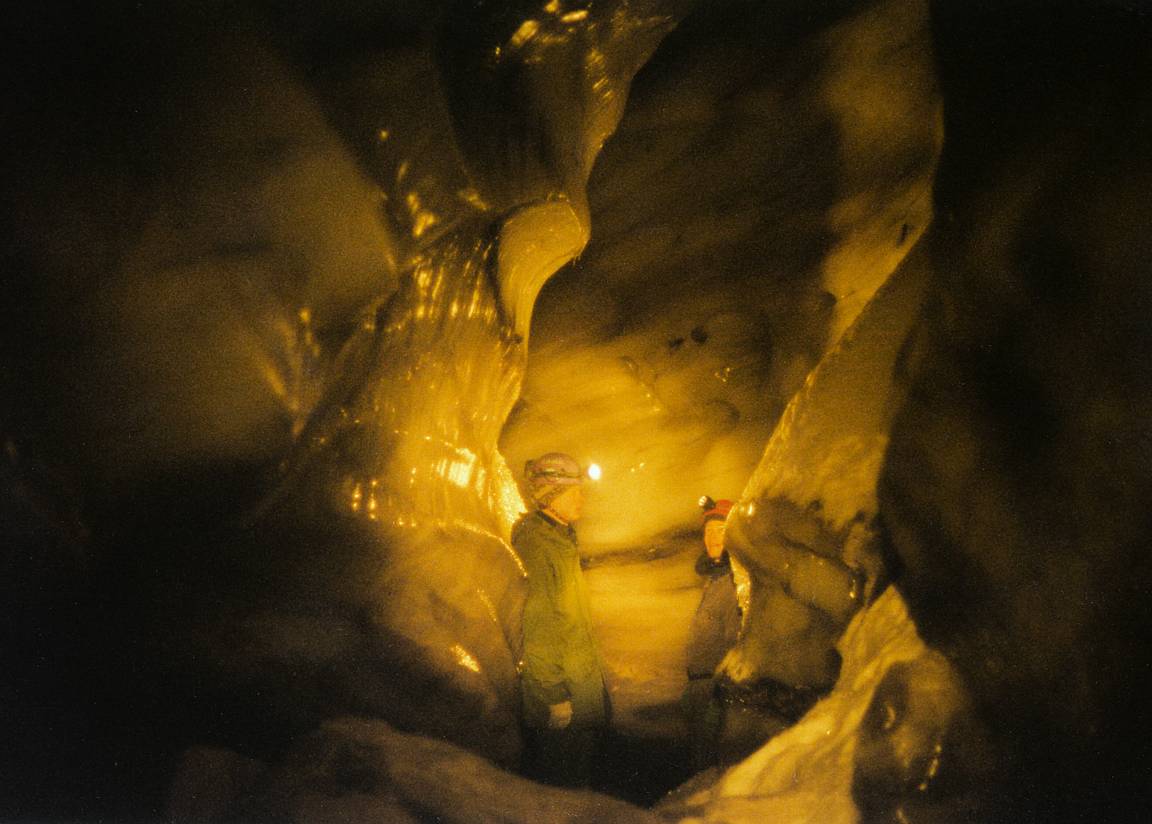


 Poland